Why Is Dubai Chocolate So Expensive?
Dubai chocolate is often expensive because it combines several costly ingredients and production steps in one product. Pistachio cream is usually the biggest cost driver, but chocolate quality, kataifi preparation, filling quantity, hand assembly, packaging, brand demand and imported distribution can all raise the final price.
The price difference between two Dubai-style bars can be large, so a higher price does not automatically mean a better product. The useful question is what you are actually paying for.
Why Is Dubai Chocolate So Expensive?
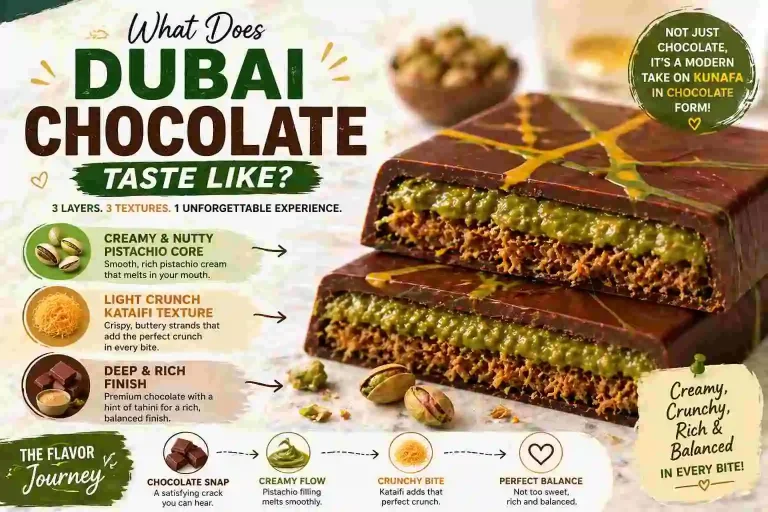
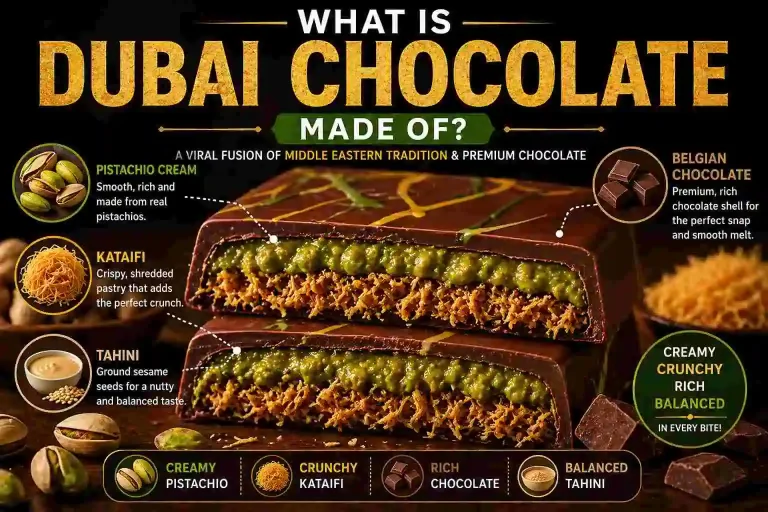
The viral Dubai chocolate format is more complicated than a plain molded chocolate bar. A typical version combines a chocolate shell with a thick filling made from pistachio cream, toasted kataifi and often tahini. Each part adds ingredients, preparation time and handling.
| Cost factor | Why it matters |
|---|---|
| Pistachio cream | Pistachios are relatively expensive nuts, and premium fillings use a meaningful amount of real pistachio. |
| Chocolate shell | Real couverture or higher-cocoa-butter chocolate costs more than compound coating. |
| Kataifi | The shredded pastry normally has to be toasted before it is mixed into the filling. |
| Labor | Filled bars require more steps than a simple solid chocolate bar. |
| Packaging | Premium bars often use rigid boxes, sleeves or presentation packaging. |
| Brand demand | Viral products can carry a large premium when demand exceeds supply. |
| Import and distribution | International shipping, cold-chain handling, retailer margins and import costs can increase prices. |
1. Pistachio Cream Is One of the Biggest Cost Drivers
The green filling is central to the product. Better versions usually rely on pistachio paste or pistachio cream with a noticeable amount of real nuts rather than only flavoring and coloring.
Pistachios cost more than many common confectionery ingredients, and a heavily filled bar can contain far more nut-based filling than a standard chocolate bar contains nuts.
For a deeper ingredient breakdown, see our Dubai chocolate ingredients guide.
2. The Chocolate Shell Can Be Premium or Cheap
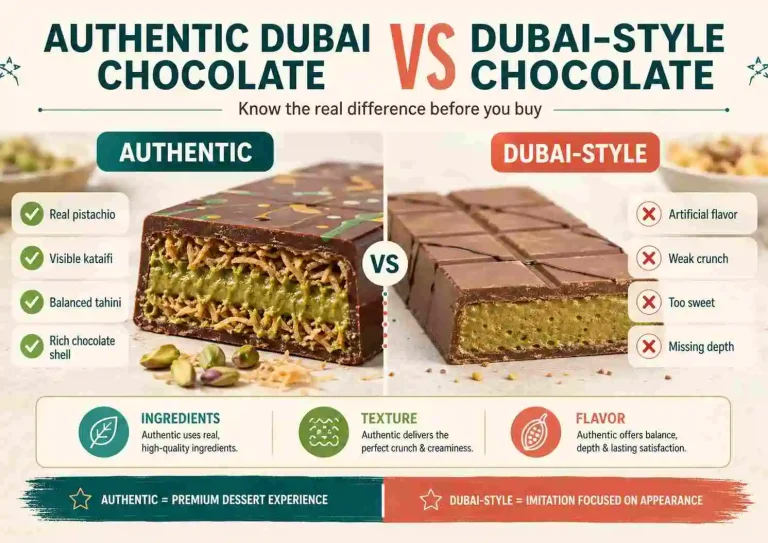
Not every Dubai-style bar uses the same chocolate. A manufacturer using real milk or dark chocolate with cocoa butter generally has a higher raw-material cost than a producer using compound coating based on vegetable fat.
This is one reason two bars with similar packaging can taste very different even when both are labeled Dubai-style chocolate.
3. Kataifi Adds Another Production Step
Kataifi is the thin shredded pastry that creates the signature crunch. It is normally toasted before being mixed with pistachio cream. That means extra handling, heat, time and quality control compared with a simple molded chocolate bar.
Learn more in our guide to what kataifi is in Dubai chocolate.
4. Filled Bars Use More Labor
A basic chocolate bar can be deposited into a mold, cooled and wrapped. Dubai chocolate usually involves making a shell, preparing the filling, adding the filling, sealing the bar, cooling it and then packaging it.
Smaller specialty producers may do several of these steps manually. That raises labor cost and limits how many bars can be produced in a day.
5. Viral Demand Can Push Prices Higher
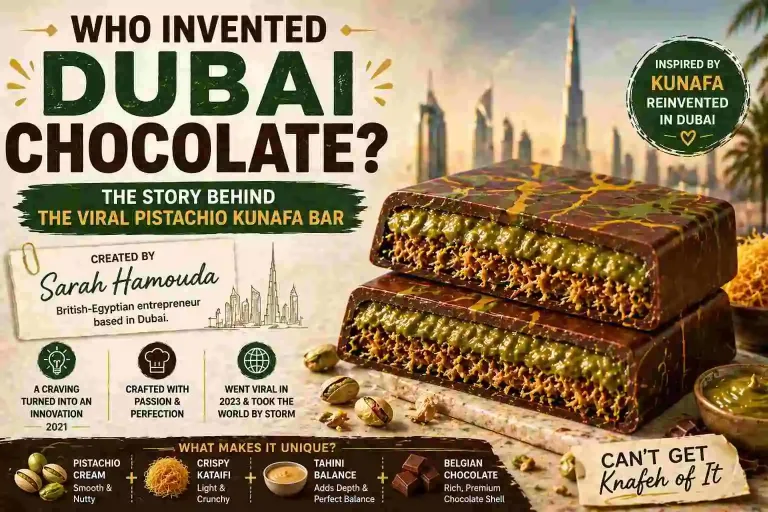
Dubai chocolate became a global trend rather than remaining a regional confection. When demand rises faster than production, sellers can charge more. Limited availability can also create resale markups that have little to do with ingredient quality.
That is why shoppers should separate product cost from hype premium.
6. Imported Bars Cost More to Move
Chocolate is temperature-sensitive. Importing a filled chocolate bar may involve international freight, careful storage, customs charges, distributor margins and retailer margins. Those costs are eventually reflected in the shelf price.
A locally produced Dubai-style bar may therefore cost less than an imported product even when the ingredient list is similar.
Is Expensive Dubai Chocolate Always Better?
No. Price is only one signal.
Check the ingredient list and look for clear information about the chocolate, pistachio filling and kataifi. A premium price is easier to justify when the bar contains real pistachio, good-quality chocolate, a generous filling and crisp kataifi.
Be more cautious when a costly bar relies heavily on vague terms such as pistachio flavor, chocolate-flavored coating or an extremely thin filling layer.
How to Judge Whether a Dubai Chocolate Bar Is Worth the Price
- Read the ingredient list. Look for pistachio or pistachio paste rather than only flavoring.
- Check the chocolate type. Real chocolate and compound coating are not the same product.
- Look at the filling ratio. A thick filled center is a major part of the experience.
- Check freshness. Kataifi loses its appeal when it becomes soft.
- Compare size and weight. Price per bar can be misleading when bar sizes differ.
- Separate brand hype from product quality. A famous label does not guarantee the best value.
Our where to buy Dubai chocolate guide can help you compare buying options, while our Dubai chocolate brands guide covers the main types of products you are likely to encounter.
Can You Make Dubai Chocolate More Cheaply at Home?
Often, yes, especially if you already have basic baking equipment. Homemade bars avoid retail, packaging and distribution markups, although pistachios and good chocolate can still make the recipe relatively expensive.
Use our Dubai chocolate recipe if you want to compare the homemade route with buying a finished bar.
Frequently Asked Questions
What is the most expensive ingredient in Dubai chocolate?
In many recipes, pistachio cream or pistachio paste is one of the most expensive components. The answer can vary depending on the amount and quality of chocolate used.
Why is original Dubai chocolate more expensive than copycat bars?
Original or imported products can include additional brand, distribution, shipping and scarcity premiums. Copycat products may also use different ingredient quality or filling ratios.
Is cheap Dubai chocolate bad?
Not necessarily. Lower-priced products can still taste good. The important comparison is ingredient quality, freshness, filling quantity, bar weight and price.
Bottom Line
Dubai chocolate is expensive because it combines costly pistachio filling, chocolate, toasted kataifi, extra production steps and often premium branding or imported distribution. The best value is not automatically the cheapest or the most expensive bar. Compare the actual ingredients, weight, filling and freshness before deciding what is worth paying for.